Trending Forward: Metals & Mining
A strategic component of long-term economic growth
Investing Insights from the Sustainable Equity Team
In Brief
Metals and mining are becoming increasingly strategic as the energy transition, electrification, AI, and industrial resilience drive long-term demand for critical minerals.
Supply remains difficult to scale due to long project timelines, geographic concentration, and refining bottlenecks, making mineral security a key priority for governments, industries, and investors.
Responsible mining, recycling, and stronger ESG practices willbe central to meeting rising mineral demand while supporting a more resilient and sustainable economy.
Metals and mining sit at the center of several long-term secular themes, including the energy transition, electrification, digital infrastructure, industrial resilience, and national security. As essential inputs for modern economies and the sustainable transition, the sector is increasingly becoming a strategic component of long-term economic growth.
As critical minerals become more essential to the global economy, scaling supply responsibly remains a major challenge. Supply remains constrained by geographic concentration, regulatory challenges, and long project timelines. At the same time, the sector faces significant environmental and social risks, reinforcing the need for responsible mining practices.
These dynamics are transforming minerals from a traditional commodity story into a strategic investment theme centered on security of supply, industrial competitiveness, and sustainable resource development.
The Role of Metals and Mining in a Changing Economy
Energy transition: Renewable power generation, battery storage, electric vehicles, and modern grid infrastructure are more mineral intensive than conventional energy systems. As countries invest in decarbonization, demand for copper, lithium, nickel, graphite, rare earths, aluminum, and other critical materials continues to rise.
BY 2040, MINERAL DEMAND FROM CLEAN ENERGY TECHNOLOGIES IS EXPECTED TO INCREASE BETWEEN TWO FOLD TO FOUR FOLD1.
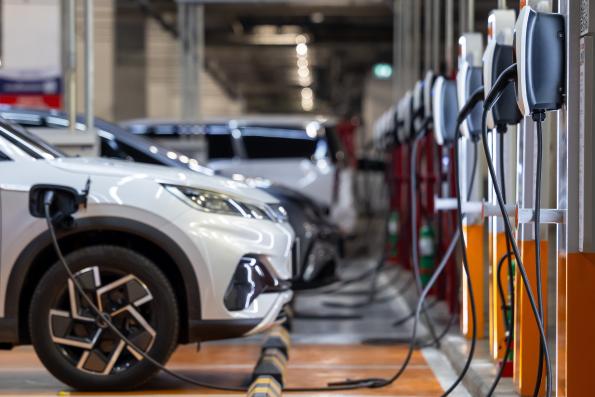
Electrification: Electric mobility, charging networks, industrial electrification, and expanded transmission networks all require significant volumes of metals. Copper is essential for electricity transmission, power distribution, motors, chargers, renewable generation, and data center infrastructure while aluminum supports grids and transport.
A TYPICAL ELECTRIC CAR REQUIRES SIX TIMES THE MINERAL INPUTS OF A CONVENTIONAL CAR2.
AI and digitization: AI and digital infrastructure are emerging sources of mineral demand and are reshaping metals value chains. Data centers are particularly resource intensive, requiring large amounts of electricity, power equipment, cooling systems, semi conductors, and connectivity infrastructure in addition to metals such as copper, aluminum, specialty steels, and advanced materials. The growth of AI also reinforces the need for expanded electricity networks.
AI INFRASTRUCTURE IS MUCH MORE RESOURCE INTENSIVE THAN TRADITIONAL CLOUD, REQUIRING 65-70 TONS OF METALS PER MW, LARGELY IN POWER AND COOLING SYSTEMS3.
Reindustrialization and supply chain resilience: Critical minerals have become a strategic priority as countries seek to strengthen domestic manufacturing, reduce supply-chain dependencies, and support industrial competitiveness.
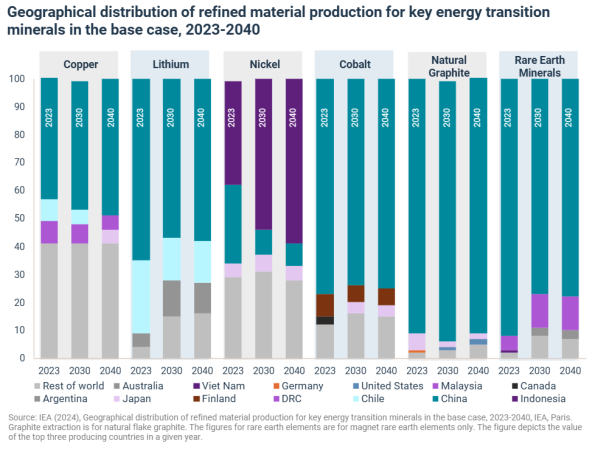
CHINA’S SHARE OF REFINING IS AROUND 35% FOR NICKEL, 50-70% FOR LITHIUM AND COBALT, AND NEARLY 90% FOR RARE EARTH ELEMENTS4.
Defense and security: Minerals also support defense and security applications including advanced electronics, aircraft, vehicles, communications systems, and guided technologies.
MORE THAN 60 STRATEGIC PLANS TO ENSURE MINERAL SUPPLY RELIABILITY AND RESILIENCY ARE CURRENTLY INPLACE ACROSS MAJOR ECONOMIES5.
Long-term Value Drivers
Rising structural demand combined with constrained and geographically concentrated supply are creating long-term opportunities across the minerals and mining sector. Meeting this demand will require substantial investment across the value chain, from new mines and refining capacity to infrastructure, processing, and recycling.
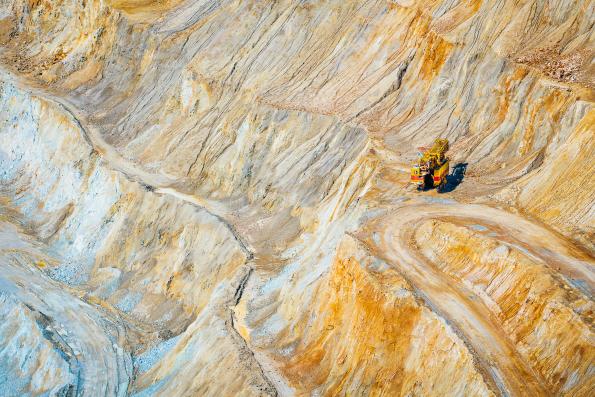
However, supply is difficult to scale quickly. Even where mineral resources are available, the ability to develop them responsibly, sustainably, and within a reasonable timeframe remains a bottleneck for the industry.
ON AVERAGE, NEW MINING PROJECTS TAKE OVER 16 YEARS TO START PRODUCING MINERALS6.
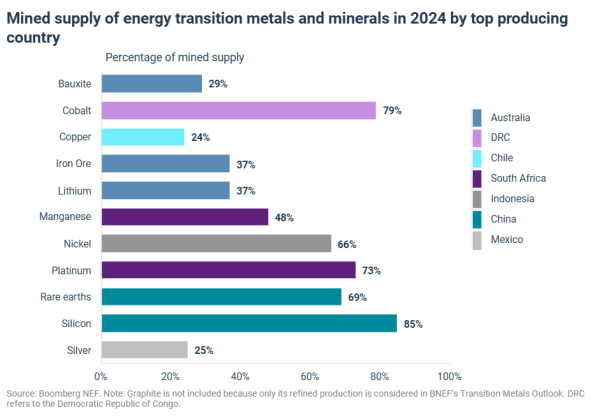
The sector’s geographic concentration creates additional supply chain risk, as critical mineral mining is heavily concentrated in a small number of countries. THE AVERAGE MARKET SHARE OF THE TOP THREE MINING NATIONS FOR KEY ENERGY MINERALS ROSE FROM 73% IN 2020 TO 77% IN 20247.
The market is even more concentrated when it comes to refining. The top three refining countries increased their combined market share from 82% in 2020 to 86%in 2024, driven largely by Indonesia in nickel and China in cobalt, graphite, and rare earths8.
Critical minerals are increasingly being used as instruments of trade policy and geopolitical influence. The growing US-China trade conflict has demonstrated that access to minerals can be weaponized with China imposing export controls on materials such as gallium, germanium, and graphite in response to Western technology restrictions.
THERE WERE 3X MORE CRITICAL RAW-MATERIAL EXPORT RESTRICTIONS IN 2025 VERSUS 20249.
In response, governments across North America and Europe are using major policy initiatives such as the US Inflation Reduction Act (2022) and the EU Critical Raw Materials Act (2023) to strengthen supply security through domestic production, friend-shoring, recycling,and strategic partnerships while maintaining environmental and social standards.
Recycling and circularity are also becoming increasingly important, and we see strong long-term opportunities in this space as it can help reduce pressure on primary extraction, improve supply security, lower environmental impacts, and create new business models across the value chain.
Supply & Demand Outlook for Key Minerals & Metals
Aluminum demand continues to rise across traditional uses such as construction and manufacturing as well as energy transition applications including solar infrastructure, electric vehicles, and grid expansion. Aluminum production is highly energy- and emissions-intensive, so recycling represents a significant opportunity to reduce environmental impact and strengthen supply.
Lithium is essential for lithium-ion batteries used in EVs and energy storage. Demand is expected to rise from ~205kt in 2024 to ~700 kt by 203510. Despite near-term over supply, the current project pipeline points to a potential 40%deficit, requiring continued investment and an estimated 55 additional average-sized mines.
Copper stands out as one of the most significant supply bottlenecks of the energy transition. Copper is essential for electrification, supporting grids, renewables, EVs, charging networks, data centers, and industrial power systems. Demand is expected to rise as electricity plays a larger role in final energy consumption. The IEA (International Energy Agency) estimates that demand will grow from 27Mt in 2024 to 33Mt by 2035 and 37Mt by 2050. However,supply growth is struggling to keep pace as the industry faces declining ore grades, reserve depletion, rising capital costs, permitting challenges, and a lack of major new discoveries. As a result, the IEA estimates a potential 30% supply deficit before even considering more ambitious electrification scenarios. Recycling can help ease shortages as copper can be reused repeatedly without losing its properties and already supports one of the world’s largest recycling markets.
Steel is necessary for wind turbines, transmission towers, solar infrastructure, and broader clean energy build out. Supply is relatively resilient, but decarbonizing steel production remains a key challenge.
Manganese is mainly used in steel making, but it is also an input for lithium-ion batteries. Demand for manganese is rising with battery growth driven by EVs and grid storage systems.
Rare earths demand is expected to grow 50-60% by 2040 driven by permanent magnets used in EVs, wind turbines, and industrial motors11. While announced projects should broadly meet demand, supply chains remain highly concentrated, making rare earths a significant supply security risk due to China’s dominant position across the value chain.
Metals & Minerals Value Chain
Extraction (ore/concentrate): Critical minerals are typically extracted through underground or open-pit mining.
Underground Mining is used when mineral deposits are located deep below the surface and tunneling is required to access the ore. The process is often costly, and ventilation and structural integrity are key concerns.
Open-pit Mining is used when minerals are closer to the surface. Top soil and layers of rock are removed to create an open pit. This method is typically faster and cheaper than underground mining but produces significant amounts of waste.
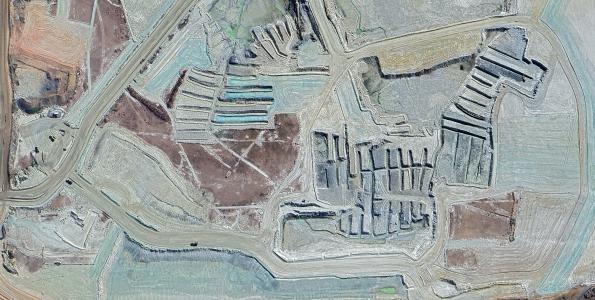
Processing (smelting/refining): After extraction and concentration, critical minerals are smelted and refined into sale able materials through processes that vary by mineral (high temperature processes, brine-extraction, electrolyzing). Processing is the most energy-intensive part of the supply chain. It also generates tailings (a slurry waste) from ore processing and impurity removal which are stored in dedicated facilities and can pose environmental and health risks if not properly managed.
Recycling: Given increased demand for critical minerals and geopolitical vulnerabilities in the supply chain, recycling will likely become a more important source of materials. According to the IEA, recycling couldreduce new mining requirements for key minerals by 10–30%. While recycling is well established for base metals such as steel and aluminum, it remains much less developed for rare earth elements and other critical minerals. In the US, 57% of aluminum, 35% of copper, and16% of silver were recycled in 2023 compared with estimated global recycling rates of only 5–10% for rare earth elements12.
ESG Risks & Responsible Practices
Demand for critical minerals is rising to support future economies; however, this demand must be met with stronger responsible mining practices. This creates a clear transition paradox: while these mineralsare essential enablers of the climate transition, their extraction and processing carry significant ESG risks.
Mining is highly resource-intensive, contributing to greenhouse gas emissions, pressure on local water resources, biodiversity loss, pollution, and long-term ecosystem impacts. These environmental risks are amplified when operations are located in water-stressed or biodiversity-sensitive areas and can translate into financial risks by delaying projects, increasing capex needs, or affecting companies’ licenses to operate. The sector is also associated with human rights concerns including weak governance, worker safety risks, challenging working conditions, community opposition, and impacts on Indigenous Peoples and local communities, which have made it prone to controversy over the years. As a result, the sector requires careful sustainability assessment to understand and manage the full impact of the sector’s value chain.
De-risking global critical mineral supply chains remains a long-term challenge, but the urgency is growing. Our approach combines strict minimum standards covering fossil fuel exposure, operations in high-risk countries, and breaches of international norms such as the UN Global Compact and OECD Guidelines. We conduct in-depth qualitative analysis to understand how companies may be positioned to manage these risks and contribute credibly to the transition. This analysis is not only relevant for companies involved in mining activities, but for other industries and value chains that rely on the sector as a material input.
Responsible mining practices are increasingly guided by recognized standards and frameworks, such as the Initiative for Responsible Mining Assurance (IRMA), which works with both corporate and community stakeholders to raise the bar on environmental and social standards for mining. Leading companies are adhering to these frameworks and working to lower operational emissions, improve energy efficiency, protect biodiversity through better site planning and rehabilitation, and invest in cleaner equipment and technologies. Recycling and circularity will also play a critical role by reducing pressure on primary extraction and improving supply security.
However, most standards remain voluntary and unevenly applied. For this reason, engagement is an important lever for encouraging more sustainable practices and managing sustainability risks. Many mining companies are key targets for collaborative engagement initiatives (e.g., Climate Action 100+, Nature Action 100, PRI Advance), reflecting both their significant environmental and social footprint and the potential for engagement to drive improvements. However, the sector’s structurally high ESG risks mean engagement alone may not be sufficient to reduce risks. Engagement should therefore be complemented by additional levers, including strong investment selection, escalation strategies where progress is insufficient, and support for stronger regulation and industry-wide transparency.
The securities mentioned above are shown for illustrative purpose only and should not be considered as a recommendation or a solicitation to buy or sell. The information provided reflects MIROVA’s opinion as of the date of this document and is subject to change without notice. The reported data reflect the situation as of the date of this document and are subject to change without notice. This information is intended for non-professional and professional clients as defined by MiFID.
1. IEA (2021), The Role of Critical Minerals in Clean Energy Transitions, IEA, Paris https://www.iea.org/reports/the-role-of-critical-minerals-in-clean-energy-transitions. The information provided reflects MIROVA’s opinion as of the date of this document and is subject to change without notice. The reported data reflect the situation as of the date of this document and are subject to change without notice. This information is intended for non-professional and professional clients as defined by MiFID.
2. IEA (2021), The Role of Critical Minerals in Clean Energy Transitions, IEA, Paris https://www.iea.org/reports/the-role-of-critical-minerals-in-clean-energy-transitions.
3. BofA - Transition Investing - Matter over mind? AI's 10 secret ingredients.
4. IEA (2021), The Role of Critical Minerals in Clean Energy Transitions, IEA, Paris https://www.iea.org/reports/the-role-of-critical-minerals-in-clean-energy-transitions.
5. JP Morgan - Critical minerals: Unearthing alpha across equities and credit.
6. JP Morgan - Critical minerals: Unearthing alpha across equities and credit.
7. IEA (2025), Global Critical Minerals Outlook 2025, IEA, Paris https://www.iea.org/reports/global-critical-minerals-outlook-2025.
8. International Energy Agency (IEA).
9. Global Trade Alert. Import and Export Restrictions: Critical Minerals. Global Trade Alert – Import and Export Restrictions: Critical Minerals.
10. International Energy Agency (IEA).
11. International Energy Agency (IEA).
12. U.S. Geological Survey. (n.d.). Recycling statistics and information. National Minerals Information Center.

Marine MICHIELS
Equity Analyst

Gabrielle FERHAT
Impact & ESG Analyst

The shift from experimentation to predictive discoveryInvesting Insights from the Sustainable Equity Team

Mirova, an affiliate of Natixis Investment Managers dedicated to sustainable investing, today announced a strengthened leadership structure designed to support the firm’s next phase of development and further reinforce its position as one of the world's foremost sustainable investment managers.

Climate, Nature and Sustainability Report (LEC 29, TCFD, TNFD)