Mirovα, Creating Sustainable Value - July 2026

Key events - June 2026
Iran: Negotiations between the US and Iran on a peace agreement led to the partial reopening of the Strait of Hormuz in June.
Markets: European indices outperformed their US counterparts. The latter suffered from profit-taking on the AI theme against a backdrop of widening sector leadership.
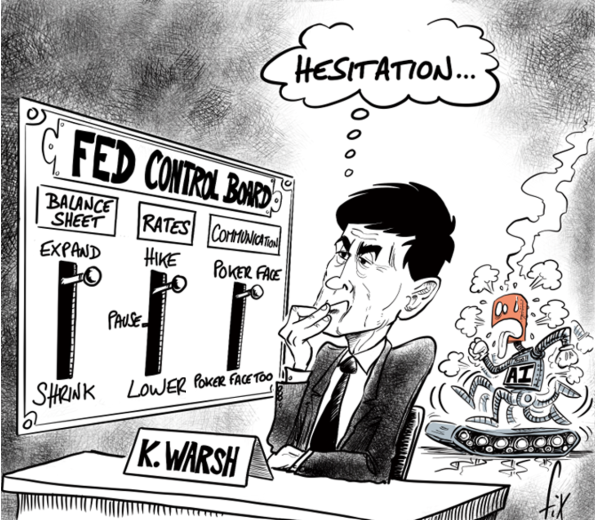
Central banks: The ECB raised its rates by 25 basis points, as expected. In the US, the Fed came under the chairmanship of Kevin Warsh, whose hawkish tone led the market to price in rate rises.
Number of the month
Macro outlook
- Iran: tensions flared up again in July, but the negotiating framework remains largely intact. The medium-term trend continues to point towards gradual normalisation and a fall in oil prices.
- United States: employment is recovering, the base for job creation is broadening, inflation is already beginning to ease, and consumption could pick up moderately in the second half of the year. Nevertheless, growth remains unbalanced and heavily reliant on the digital sector.
- Eurozone: PMI indices are rebounding and there are positive signs regarding growth and confidence in Europe. Will this attract international investors seeking diversification?
- Results: the second-quarter earnings season, specifically US tech results, will be the main driver this summer. Expectations are very high: EPS growth of 22 per cent is expected for the S&P 500, with more than half of this linked to AI infrastructure, and 11 per cent for the Stoxx 600.
The Long View
AI is hungry for capital: can the market satisfy this appetite?
AI was primarily an equity market story — it is now making its way into fixed income markets as well:
• It is reinforcing the wealth effect in the US, to the point of creating vulnerability should expectations ultimately disappoint;
• Its massive funding needs, particularly through long-dated debt issuance, are beginning to weigh on bond markets;
• It is requiring other industries — utilities in particular — to keep pace and invest alongside it.

Mirova, an affiliate of Natixis Investment Managers dedicated to sustainable investing, today announced a strengthened leadership structure designed to support the firm’s next phase of development and further reinforce its position as one of the world's foremost sustainable investment managers.